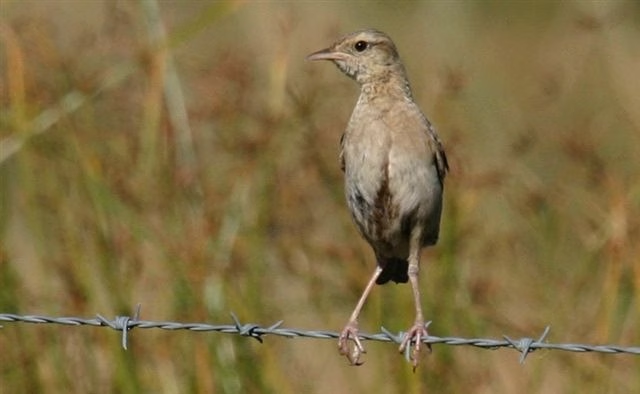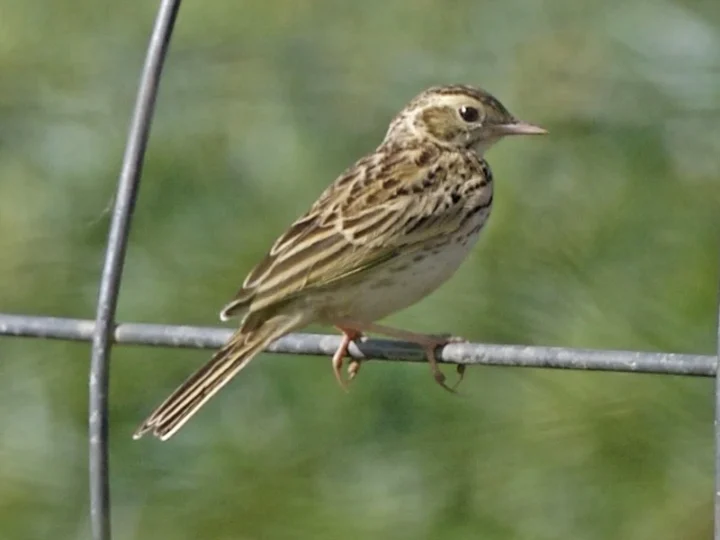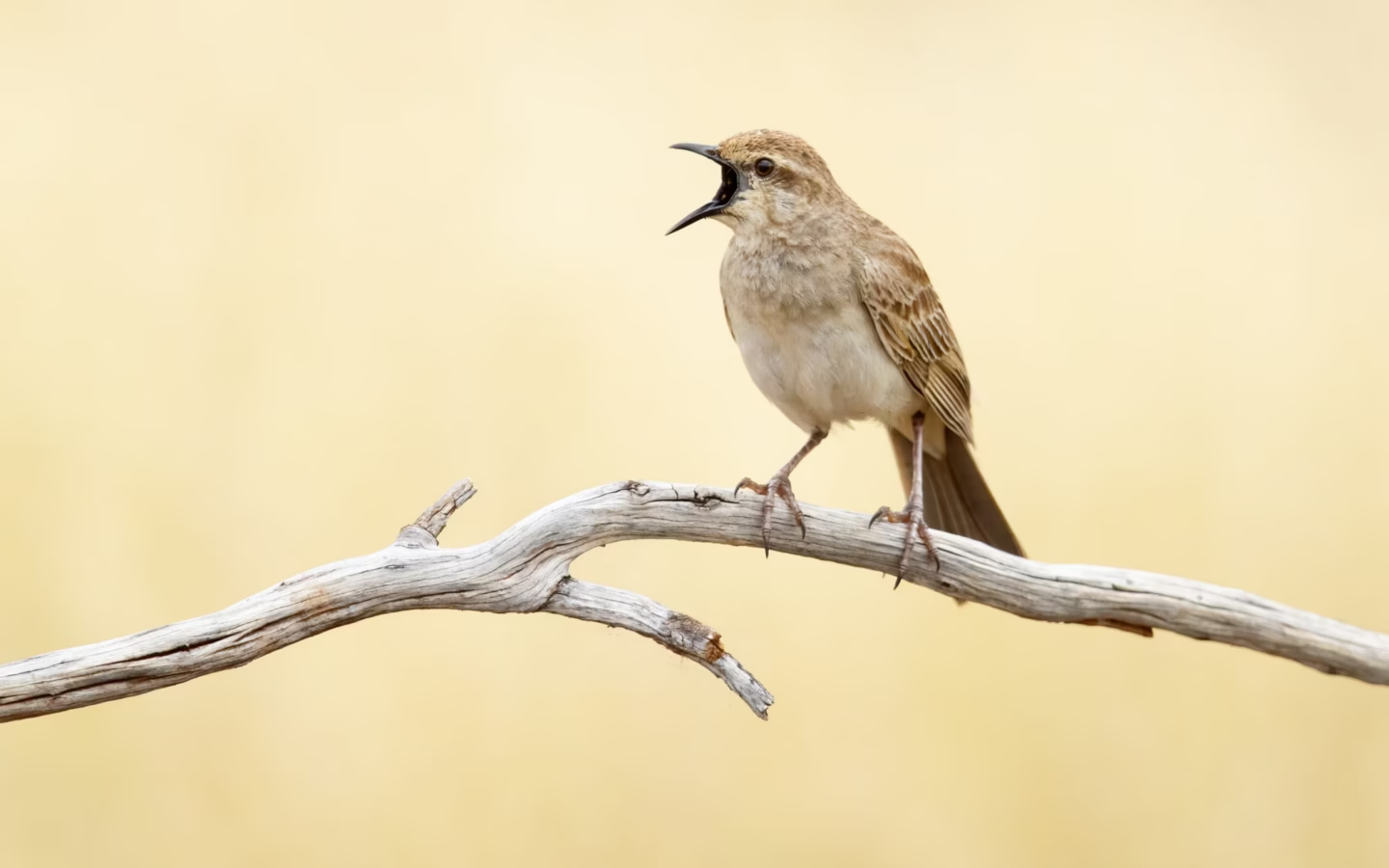
The Rufous Songlark (Cincloramphus mathewsi) is an Australian bird best identified by a combination of shape, plumage, behaviour, voice and habitat. A brown streaked songlark with warmer rufous tones, a pale eyebrow and a relatively long tail. Adults are typically about 16–19 cm long. As with many birds, colour can look different in shade, bright sun or worn plumage, so use several field marks rather than relying on one feature.
How to identify a Rufous Songlark
A brown streaked songlark with warmer rufous tones, a pale eyebrow and a relatively long tail. Start with overall size and silhouette, then check the head pattern, bill, wings, tail and any strong patches of colour. If the bird is distant, behaviour can be just as useful: note whether it spends time on the ground, climbs trunks, moves through the canopy, hides in reeds or makes repeated flights from the same perch.
Photographs are most useful when they show more than one angle. A side view can reveal bill shape and body proportions, while a rear or flight view may show rump, tail and wing markings that are hidden when the bird is perched. Age and sex can also change appearance in some species, so an apparently dull individual can still be the same species as a brighter adult.
Where is the Rufous Songlark found in Australia?
Much of mainland Australia, with movements strongly influenced by rainfall and seasonal grass growth.
Typical habitat includes Grassland, crops, open woodland and grassy paddocks.. Distribution is not perfectly fixed from week to week. Rainfall, flowering, breeding activity, drought and local food availability can change where a bird is easiest to find. Checking both habitat and geographic range is therefore one of the quickest ways to rule out similar species.
What does the Rufous Songlark eat?
Insects and seeds.
Feeding style is an identification clue in its own right. Watch where the bird searches for food and how it handles it. Ground-foraging species often move differently from foliage gleaners, nectar feeders or birds that hunt from exposed perches. For wild birds, maintaining natural habitat and native food plants is generally more useful than offering processed human food.
Behaviour and calls
Males sing from exposed perches or during display flights over open grassland.
Rich, varied phrases and repeated notes are delivered persistently in the breeding season. Calls can vary between contact, alarm, courtship and territorial situations, so voice should be combined with visual clues. If you can hear the bird but not see it, note the rhythm, pitch, repetition and the habitat the sound is coming from. Those details can narrow identification surprisingly quickly.
Nesting and breeding
A cup nest is concealed on the ground in grass. Breeding timing varies across Australia and can change with latitude, rainfall and seasonal conditions. Birds near active nests may behave very differently from non-breeding birds, becoming quieter, more territorial or more secretive. Observe nests and dependent young from a respectful distance so normal feeding and parental behaviour can continue.
Similar birds
Possible confusion species include Brown Songlark and Australian Pipit. Do not compare colour alone. Bill shape, body proportions, tail length, eye or facial markings, habitat and voice are often more reliable. Range is especially important: two birds can look broadly similar but occur in different regions or occupy quite different habitats.
If identification is uncertain, record the date and location and write down three or four visible features before checking a field guide. That prevents memory from gradually changing the sighting to match the species you expect to see.
Quick identification tip
For a fast field identification, remember three things: the Rufous Songlark is about 16–19 cm; its strongest visual clue is a brown streaked songlark with warmer rufous tones, a pale eyebrow and a relatively long tail.; and a typical setting is Grassland, crops, open woodland and grassy paddocks.. When those clues line up with the bird’s behaviour and voice, the identification becomes much more confident.
Sources and further reading
Species information should be cross-checked with current Australian references such as BirdLife Australia bird profiles and the Australian Museum bird collection. Distribution and conservation status can change, so use current official guidance for management or threatened-species decisions.