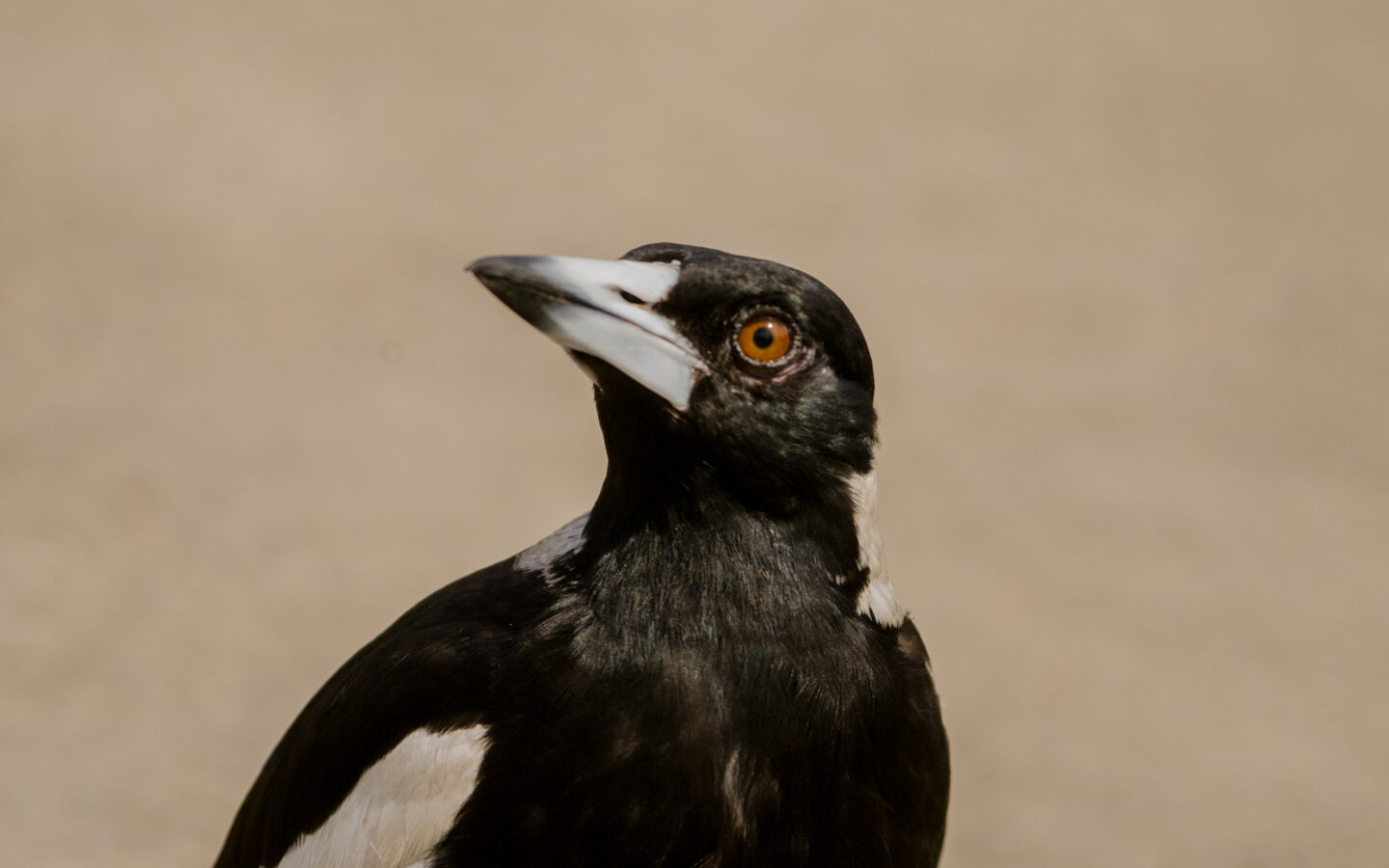
Australian backyards can support an extraordinary range of birds. Depending on where you live, a normal morning might bring Rainbow Lorikeets, Australian Magpies, Willie Wagtails, Noisy Miners, rosellas, doves, honeyeaters, kookaburras or even a visiting Tawny Frogmouth.
This section helps you identify birds using gardens, parks and suburban streets, and shows how to make a backyard more useful to native birdlife without turning it into an artificial feeding station.
Start here
- Common Backyard Birds Australia — a practical visual shortlist of familiar species around homes, gardens and parks.
- How to Attract Birds to Your Garden — create food, water, shelter and nesting opportunities using habitat rather than handouts.
- Identify Australian Birds — narrow an unknown bird by colour, shape, bill and habitat.
Why some gardens attract more birds
Different birds need different resources. Nectar-feeders visit flowers, finches and parrots use seeds, insect-eating birds hunt among foliage and mulch, and small birds need dense vegetation where they can escape larger or more aggressive species.
BirdLife Australia recommends using locally native plants where possible, providing a mix of plant heights and choosing species that flower, fruit or seed at different times of year. A layered garden with groundcovers, shrubs and trees usually provides more useful habitat than a simple lawn-and-trees layout.
Water matters too
Fresh, clean water can be valuable in hot Australian conditions. A bird bath works best when birds have nearby cover but can still see approaching danger. Keep the water clean and position it away from easy cat ambush points.
Should you feed wild birds?
The safer long-term approach is to grow natural food. BirdLife Australia does not encourage routine feeding of wild birds because unsuitable foods, dirty feeding areas and concentrated bird numbers can contribute to poor nutrition and disease. Native flowering plants, seed-producing grasses, insect-rich shrubs and clean water allow birds to forage more naturally.
Explore profiles for the Rainbow Lorikeet, Australian Magpie, Laughing Kookaburra, Willie Wagtail, Noisy Miner, Crested Pigeon, Galah and Tawny Frogmouth.
Further reading
See BirdLife Australia’s bird-friendly garden guidance.